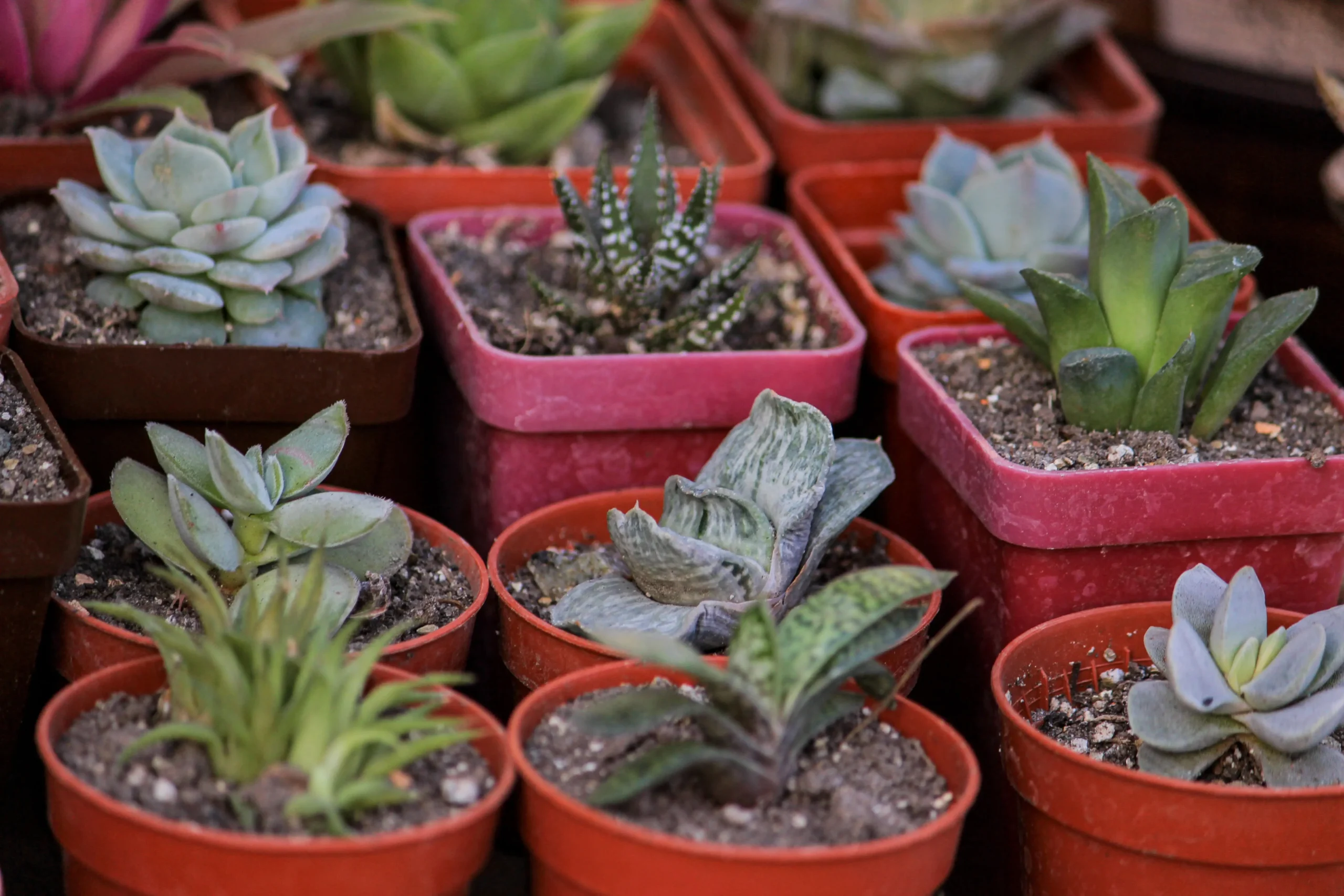
If you love keeping succulents on your desk or windowsill, you’ve probably experienced this heartbreaking moment: your once compact, beautifully colorful succulent suddenly starts stretching upward, turning pale green, and looking like a lanky weed.
In the plant world, this phenomenon is called etiolation, but most indoor gardeners simply know it as “stretching.”
Why does this happen, can you reverse it, and how can you stop it from ruining your plants? Let’s dive into the science-backed solutions to save your indoor succulents.
1. What Is Etiolation? Why Succulents Stretch Indoors
Succulents are native to deserts and arid regions where they receive up to 10 to 12 hours of intense, unobstructed sunlight every single day.
When you bring a succulent indoors, even if you place it near a bright window, the glass filters out a massive amount of usable light energy.
When a succulent doesn’t get enough light, it enters survival mode. It allocates all its remaining energy into growing its stem as fast and tall as possible to “reach” for a light source. This results in wide leaf spacing, weak stems, and a complete loss of its vibrant pink, purple, or red colors (known as “stress coloring”).
2. Can You Reverse a Stretched Succulent?
The honest truth that nobody tells you is this: You cannot shrink a stretched succulent back to its original shape. Once the stem stretches out, those cells are permanently elongated.
However, you can completely reset and save your plant using a simple 2-step method:
Step 1: Beheading (The Chop)
Using a sterilized sharp knife, cut off the top “rosette” of your stretched succulent, leaving about 1–2 inches of stem attached to the top head. Let the cutting air-dry for 2 to 3 days until the wound calluses over, then plant it in dry, well-draining soil. It will grow brand new roots!
Step 2: The Stump Care
Keep watering the leftover bottom stem (the stump). In a few weeks, it will sprout multiple tiny baby succulent pups along the bare stem.
3. How to Stop Succulents from Stretching Permanently
This guide is part of our comprehensive [Ultimate Guide to Indoor Plant Lighting ], check it out to master light setups for all your houseplants!
To prevent your newly propagated succulents and your remaining plants from stretching again, you must change their light environment.
The Science: PPFD and DLI Requirements for Succulents
Unlike low-light plants like Snake Plants, succulents are light hogs. Regular indoor lighting or cheap 5W desk lamps will not work. To keep succulents compact and colorful, they require:
- PPFD (Light Intensity): At least 250 to 350 µmol/m²/s hitting the leaves.
- DLI (Daily Light Integral): A minimum of 12 to 15 mol/m²/day.
- Light Duration: 12 to 14 hours of continuous light daily.
The Best Solution: Etvio Desktop LED Grow Light
If you don’t have a south-facing window that gets 8 hours of blistering sun, the easiest way to give your succulents desert-level light is with the Etvio LED Grow Light.
- High-Intensity PPFD: Engineered to deliver a powerful 300+ PPFD when placed 6–8 inches above your succulent pots—perfect for preventing etiolation.
- Vibrant Color Trigger: Features optimized full-spectrum warm white LEDs that safely trigger “stress coloring,” turning your dull green succulents back into pink, red, and purple beauties.
- Automatic 12h Timer: Turn it on once, and it will perfectly manage your succulents’ daily sun quota while you are at work.
👉 Check Price on Etvio & Save Your Succulents Today

Final Thoughts
A stretched succulent isn’t a dead succulent—it’s just a plant begging for a sunnier home. By beheading the leggy growth and setting up a proper high-intensity LED grow light, you can maintain a beautiful, compact, and colorful indoor succulent garden all year round.
Leave a Reply