Does your plant need food? Are you feeding it too much or too little? For many plant owners, fertilization feels confusing and overwhelming. But here’s the truth: feeding your plants doesn’t need to be complicated. This straightforward guide will show you exactly when to fertilize houseplants, which ones need regular feeding, and how to spot the clear signals your plants are hungry.
Start Here: The Basic Rule of Plant Feeding
Most houseplants need supplemental feeding during their active growth period (typically spring and summer). During fall and winter, when growth naturally slows, most plants need little to no fertilizer.
Which Plants Actually Need Regular Feeding?
The Heavy Eaters – Feed Every 2-4 Weeks (Spring-Summer)
These plants are always hungry and will show dramatic improvement with regular feeding:
Flowering Plants:
- African violets
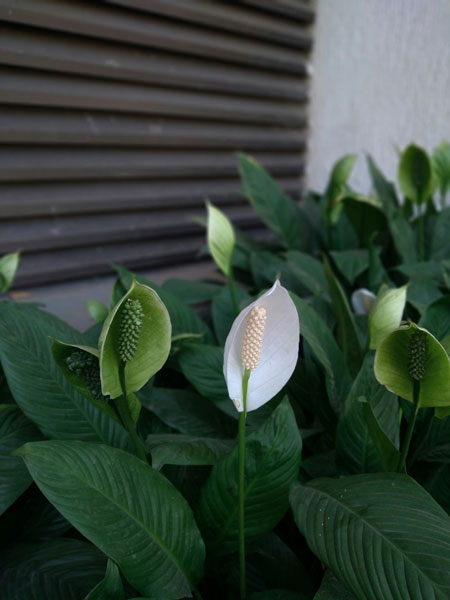
- Peace lilies
- Orchids
- Flowering begonias
Fast-Growing Foliage Plants:
- Pothos
- Philodendrons
- Spider plants
- Coleus
Why they need it: These plants are either producing energy-intensive flowers or growing rapidly, quickly depleting soil nutrients.
The Light Eaters – Feed 1-3 Times Per Season
These low-maintenance plants prefer minimal feeding:
- Snake plants
- ZZ plants
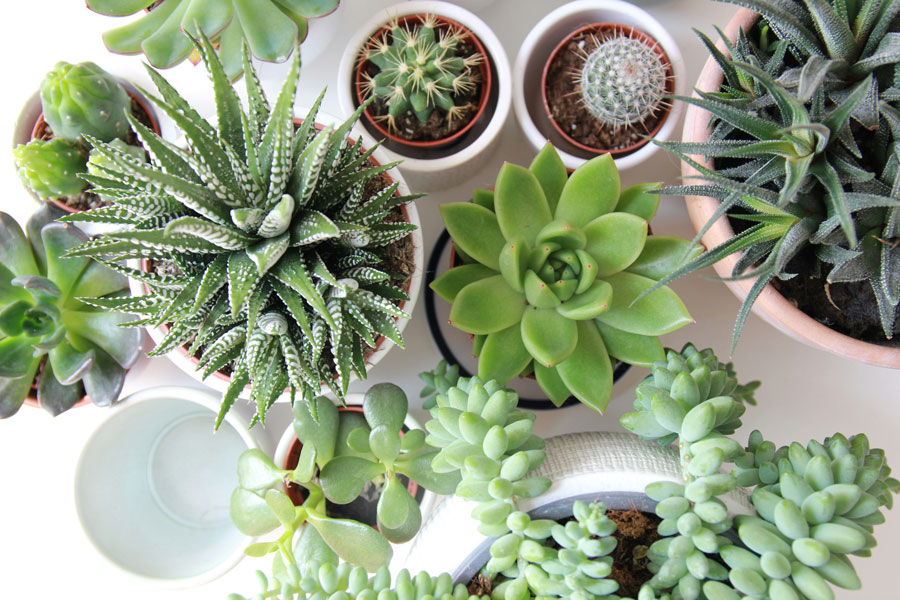
- Most succulents
- Cacti
- Cast iron plants
Why they’re different: These plants naturally grow slowly and are adapted to nutrient-poor conditions.
The 5 Clear Signs Your Plant is Hungry
Watch for these unmistakable signals that your plant needs nutrition:
- Growth Has Stopped – No new leaves for 2+ months during growing season
- New Leaves Are Smaller – Each new leaf is noticeably smaller than previous ones
- Pale Coloring – Leaves lose their vibrant green, turning yellowish or washed-out
- Weak, Floppy Growth – New stems seem fragile and can’t support themselves
- Fewer Flowers – Blooming slows or stops despite adequate light
What These Signs Are NOT:
- Brown leaf tips = Usually watering issues
- Yellow lower leaves = Natural aging or overwatering
- Sudden leaf drop = Often environmental stress
Your Simple Seasonal Feeding Schedule
Spring & Summer (Growing Season)
- Heavy eaters: Every 2-4 weeks
- Light eaters: Once every 6-8 weeks
- All plants: Use half-strength diluted fertilizer
Fall & Winter (Resting Season)
- Most plants: Stop fertilizing completely
- Exceptions: Only plants under strong grow lights or in consistently warm, bright conditions
The Safe Way to Feed Your Plants
Choose Your Fertilizer:
- Liquid fertilizer – Easy to control and dilute
- Slow-release granules – Low-maintenance option
- Organic options – Worm castings or fish emulsion
The 4-Step Feeding Process:
- Check first – Is the soil dry? Is it growing season?
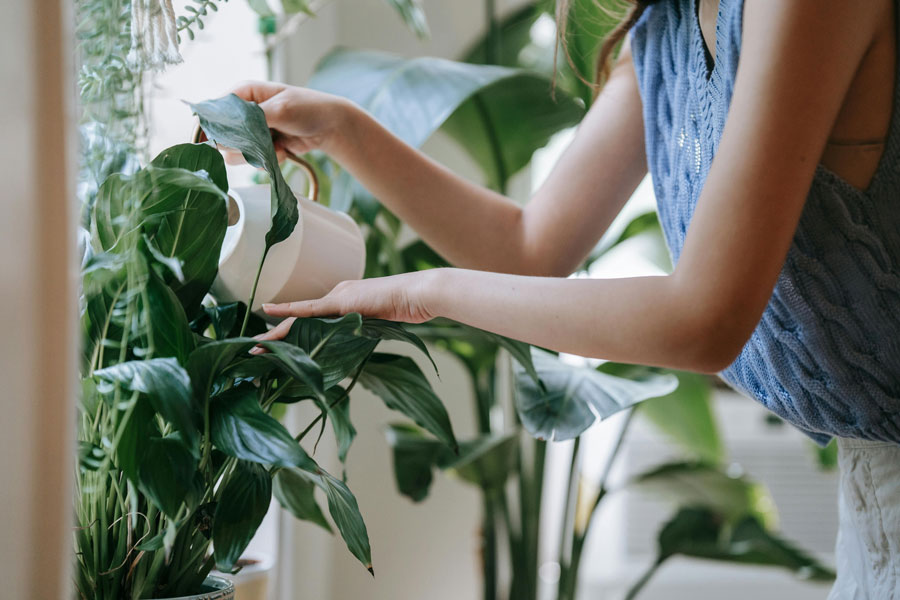
- Water before feeding – Always moisten soil first to prevent root burn
- Mix carefully – Dilute to half the recommended strength
- Apply evenly – Pour around the soil surface, avoiding leaves
3 Common Mistakes to Avoid
- Overfeeding – More food doesn’t mean faster growth
- Winter Feeding – Most resting plants can’t use extra nutrients
- Strong Concentrations – Always dilute to prevent root damage
When You’ve Fed Too Much: Recovery Steps
If you notice:
- White crust on soil surface
- Brown leaf tips appearing soon after feeding
- Leaves wilting despite moist soil
Act quickly:
- Flush soil with plenty of water
- Let water drain completely
- Wait 2 months before next feeding
- Consider repotting if damage is severe
Start Smart: Your Feeding Action Plan
- Identify your plants – Heavy eater or light eater?
- Check the calendar – Is it growing season?
- Look for hunger signs – Any of the 5 signals present?
- Feed safely – Always dilute and water first
- Observe and adjust – Watch how your plant responds
Remember: Fertilization enhances growth but can’t replace proper lighting and watering. Master those first, then add feeding to help your plants thrive rather than just survive.

Leave a Reply