Discovering unwanted guests on your beloved houseplants can feel discouraging, but every plant parent faces pests eventually. The good news? Most common houseplant pests are manageable with early detection and the right approach. This practical guide will help you identify common plant pests and eliminate them using effective, beginner-friendly methods.
Early Detection: Your First Line of Defense
Regular plant check-ups prevent small issues from becoming big problems. Look for these warning signs:
- Sticky leaves or shiny surfaces
- Webbing between stems or under leaves
- Tiny moving spots on leaves or soil
- Yellow speckling or unusual leaf patterns
- Sudden leaf drop without other causes
Meet the Usual Suspects: Common Houseplant Pests
Spider Mites – The Silent Sap-Suckers
Appearance: Tiny red or brown dots, fine webbing
Favorite Plants: English ivy, palms, dracaena
Damage: Yellow stippling on leaves, gradual decline
Mealybugs – The Cotton-Clad Invaders
Appearance: White, cotton-like clusters in leaf joints
Favorite Plants: Citrus trees, coleus, jade plants
Damage: Sticky honeydew, stunted growth
Fungus Gnats – The Annoying Fliers
Appearance: Small black flies around soil surface
Favorite Plants: All moist potting mixes
Damage: Mostly annoying, can damage young roots
Scale – The Sticky Armored Bugs
Appearance: Brown or tan bumps on stems and leaves
Favorite Plants: Ferns, ivy, schefflera
Damage: Yellowing leaves, sticky residue
Aphids – The Plant Juice Lovers
Appearance: Small green, black, or white clusters
Favorite Plants: New growth on most plants
Damage: Curled leaves, stunted growth
The Treatment Plan: From Simple to Strategic
Immediate Action – For Light Infestations
1. The Shower Method
- Take plant to shower or sink
- Spray leaves thoroughly with lukewarm water
- Focus on undersides of leaves
- Repeat every 3-4 days for two weeks
2. Alcohol Swab Treatment
- Dip cotton swab in 70% isopropyl alcohol
- Gently wipe visible pests
- Perfect for mealybugs and scale
- Follow with water rinse
3. Soap Spray Solution
- Mix 1 teaspoon mild liquid soap with 1 liter water
- Spray entire plant, including leaf undersides
- Reapply weekly until pests disappear
Advanced Solutions – For Persistent Problems
Neem Oil Treatment:
- Mix according to package directions
- Spray every 7-10 days for 3-4 applications
- Works best in evening or low light conditions
Diatomaceous Earth:
- Sprinkle on soil surface for fungus gnats
- Creates barrier that dehydrates pests
- Reapply after watering
Sticky Traps:
- Yellow cards for flying insects
- Place near affected plants
- Monitor to gauge infestation level
Prevention: Your Best Pest Defense
Regular Maintenance Habits:
- Inspect new plants thoroughly before bringing home
- Quarantine newcomers for 2-3 weeks
- Avoid overwatering – moist soil attracts pests
- Clean leaves regularly with damp cloth
- Provide good air circulation around plants
Environmental Controls:
- Proper lighting – healthy plants resist pests better
- Adequate spacing – crowded plants spread pests quickly
- Clean containers – wash pots between uses
- Quality soil – use fresh, sterile potting mix
When to Take Drastic Measures
Sometimes, starting fresh is the wisest choice. Consider these steps for severe infestations:
1. The Chop-and-Propagate
- Take healthy cuttings from pest-free sections
- Root in fresh soil or water
- Discard heavily infested mother plant
2. Complete Soil Change
- Remove plant from pot
- Wash roots thoroughly
- Repot in fresh, sterile soil
- Clean container before reuse
3. Biological Controls
- Beneficial insects like ladybugs or predatory mites
- Natural predators for specific pests
- Best for greenhouse or enclosed spaces
Success Story: From Pest Crisis to Healthy Plant
“I noticed tiny webs on my ivy plant and almost panicked. Using the shower method followed by neem oil treatments, I eliminated the spider mites in three weeks. Now I check my plants weekly and haven’t had a major outbreak since. Early detection made all the difference!” – Sarah K., Plant Enthusiast
Common Questions Answered
Can I use household insecticides?
Most are too harsh for indoor plants. Stick to plant-safe options like insecticidal soap or neem oil.
How do I prevent pests from spreading?
Isolate affected plants immediately and wash your hands after handling infected plants.
Are some plants pest-resistant?
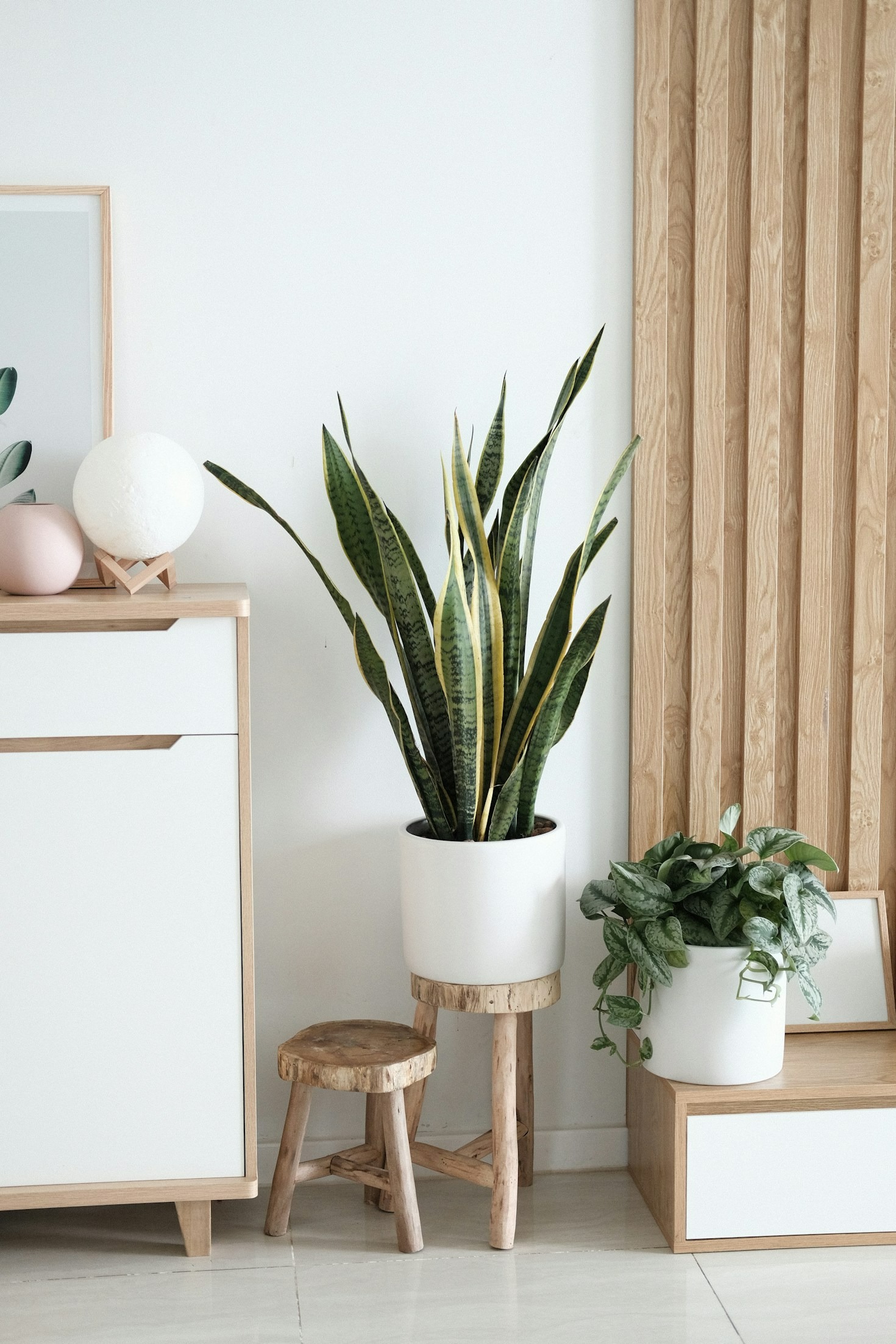
Yes! Plants with thick, waxy leaves like snake plants and ZZ plants are less susceptible.
Should I throw away my plant?
Only if the infestation is severe and treatments haven’t worked after several weeks.
Your Action Plan for Pest-Free Plant
- Check plants weekly during regular watering
- Act immediately when you spot pests
- Start with gentle methods like water spray
- Escalate treatment if pests persist
- Focus on prevention through good care
Remember: Healthy plants are your best defense. Proper lighting, appropriate watering, and good air circulation create an environment where pests struggle to establish themselves.
Leave a Reply