
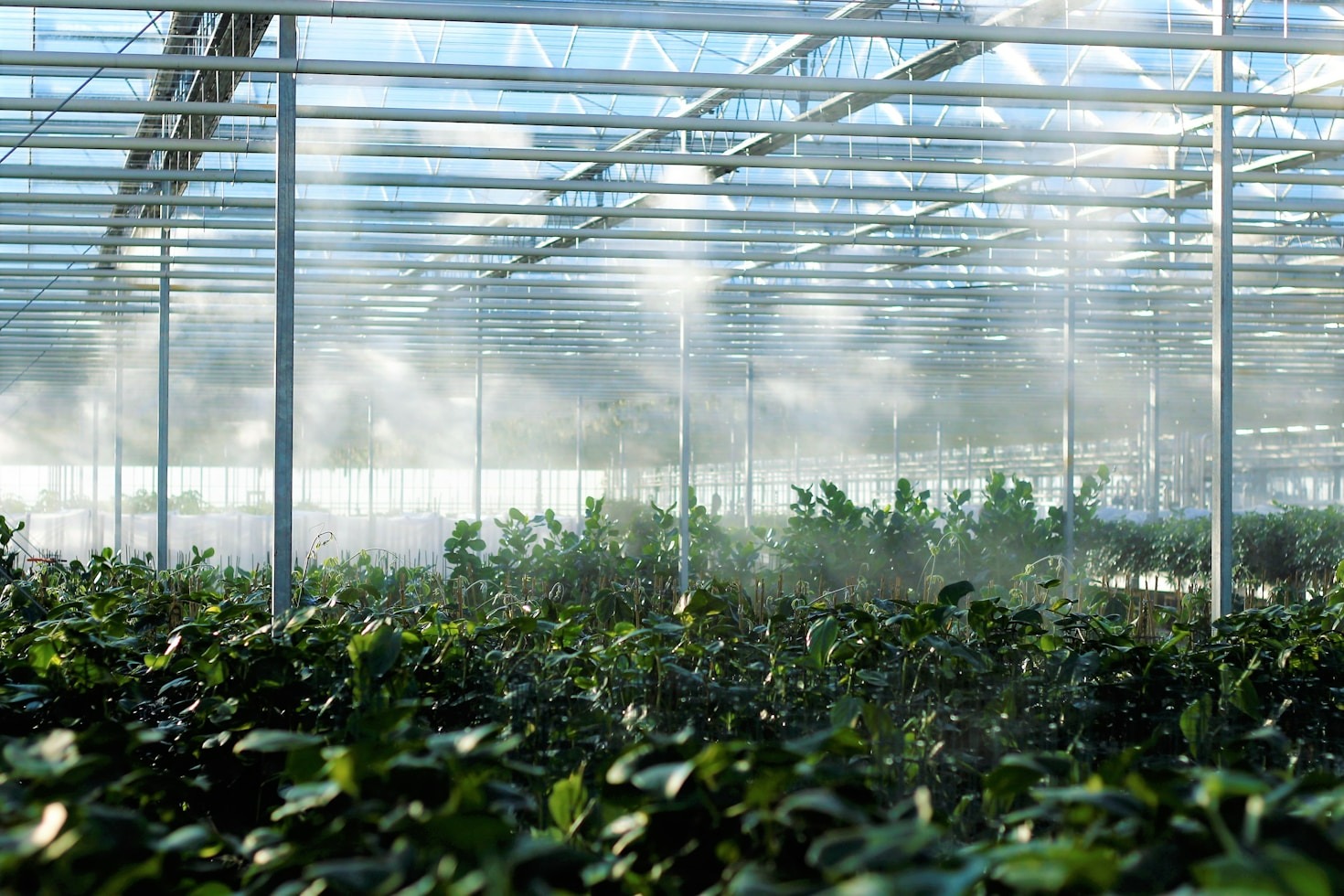
Bringing greenery indoors is more than just decoration—it’s a lifestyle choice that improves mood, purifies air, and adds vitality to any home. However, keeping houseplants healthy requires understanding their natural environment. Each plant species has specific preferences for grow light, temperature, humidity, and watering. Without the right conditions, plants may wilt, lose color, or grow slowly.
This is where a grow light can become a game-changer. Modern grow lights provide consistent, spectrum-balanced light that mimics natural sunlight, ensuring your plants thrive even in dim apartments or shaded corners. Let’s explore the needs of popular houseplants and how grow lights can support their growth indoors.


🌿 Golden Pothos (Epipremnum aureum)
- Light Requirements: Pothos is known as a low-maintenance beginner plant. It tolerates low light but thrives in bright, indirect light. In windowless spaces, a low-intensity grow light keeps its leaves green and prevents leggy growth.
- Temperature & Humidity: Ideal range is 65–82°F (18–28°C) with moderate humidity.
- Special Tips: Avoid overwatering. Great for offices or living rooms with limited light.
🌿 Spider Plant (Chlorophytum comosum)
- Light Requirements: Prefers medium to bright indirect light. A grow light is helpful in darker areas to maintain its striped leaves and encourage offshoot growth.
- Temperature & Humidity: Grows best at 68–77°F (20–25°C) with higher humidity.
- Special Tips: Perfect for hanging baskets. Benefits from occasional misting in dry homes.
🌿 Aloe Vera
- Light Requirements: Aloe vera is sun-loving and thrives in direct light. Without enough sunlight indoors, a full-spectrum grow light is essential to maintain its thick, fleshy leaves.
- Temperature & Humidity: Best in 59–86°F (15–30°C) and low humidity.
- Special Tips: Minimal watering needed. Overwatering can lead to root rot.
🌿 Orchids (Phalaenopsis, Dendrobium, etc.)
- Light Requirements: Orchids need bright but indirect light. A grow light ensures steady growth and encourages blooming, especially during winter months.
- Temperature & Humidity: 68–82°F (20–28°C) daytime, slightly cooler nights, with 50–70% humidity.
- Special Tips: Use well-draining orchid mix. Humidity trays or humidifiers can mimic tropical conditions.
🌿 Succulents (Echeveria, Haworthia, etc.)
- Light Requirements: Require 6+ hours of sunlight daily. In low-light rooms, a high-output grow light prevents stretching and maintains compact, colorful leaves.
- Temperature & Humidity: Thrive in 59–86°F (15–30°C) and dry conditions.
- Special Tips: Ideal for sunny windowsills or under LED panels designed for succulents.
Why Use a Grow Light Indoors?
Natural sunlight is often inconsistent, especially for urban dwellers with shaded windows or during winter months. A grow light solves these problems by providing steady, reliable light.
Benefits of Grow Light:
- 🌞 Mimics sunlight – Offers full-spectrum lighting for photosynthesis.
- ⏰ Extends daylight hours – Useful for short winter days.
- 🌿 Encourages blooming and fruiting – Especially for orchids, herbs, and flowering plants.
- 🏡 Flexibility for placement – Lets you grow plants in any room, regardless of window access.
Tips for Choosing the Right Grow Light
- Full-Spectrum LED Grow Lights: Best for overall plant health.
- Adjustable Brightness: Allows customization for shade-tolerant vs. sun-loving plants.
- Energy Efficiency: LEDs are long-lasting and save electricity.
- Size & Coverage: Match the light’s size to the number of plants you’re growing.
Final Thoughts
Growing houseplants is rewarding, but success depends on meeting their environmental needs. While some plants like pothos or spider plants can survive in low-light conditions, others like aloe vera and succulents demand much brighter light. Using a grow light ensures your plants receive the right spectrum and intensity of light, helping them stay healthier, greener, and more vibrant all year round.
Whether you’re a beginner or an experienced plant parent, investing in a high-quality grow light is one of the best ways to guarantee long-term success with indoor gardening.


Leave a Reply