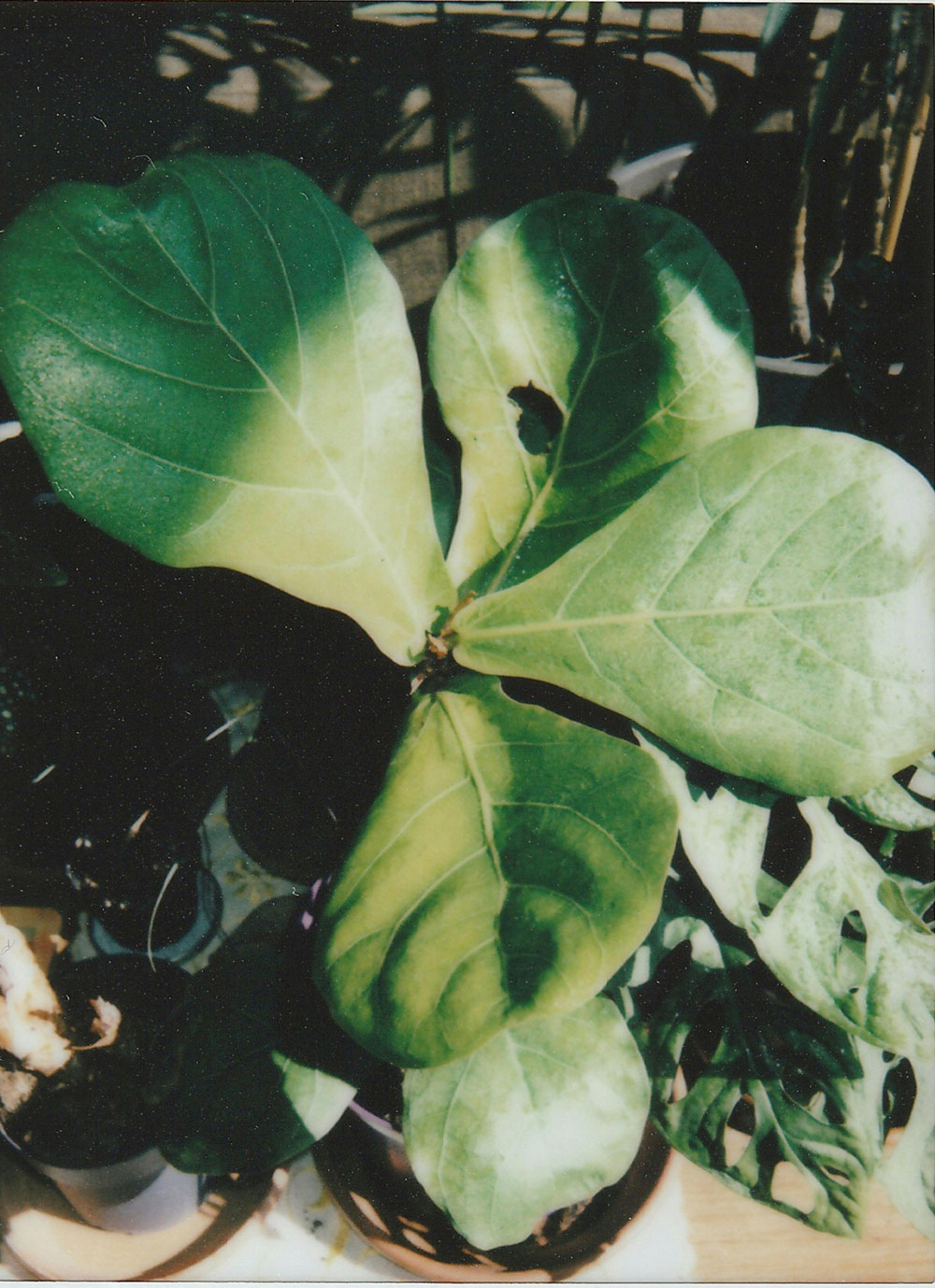
Proper lighting is the cornerstone of healthy rubber plant growth. Understanding your plant’s specific needs can transform its health and appearance.
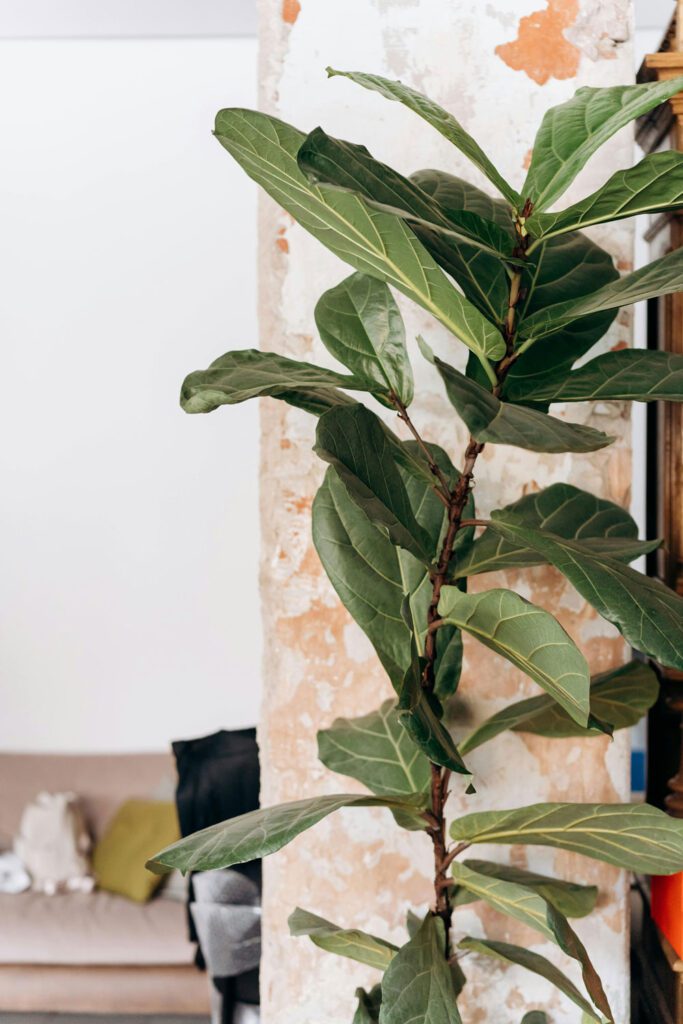
Rubber plants (Ficus elastica) are prized for their striking foliage and architectural form, but achieving those large, glossy leaves indoors often requires more light than most homes provide naturally. Understanding your rubber plant’s specific light requirements and supplementing with proper grow light technology can mean the difference between a plant that merely survives and one that truly thrives with vibrant, robust growth.
Understanding Your Rubber Plant’s Light Needs
Rubber plants are native to tropical regions where they receive bright, filtered sunlight beneath the forest canopy. When we place them in typical indoor conditions, they frequently experience:
- Slow growth rates with long gaps between new leaves
- Small leaf development instead of the broad, dramatic foliage
- Fading coloration especially in variegated varieties
- Leggy appearance as stems stretch toward available light sources
- Leaf drop particularly from lower portions of the plant
The photosynthesis and respiration processes in rubber plant leaves reach their balance point at around 500 lux, with photosynthetic efficiency increasing up to approximately 40,000 lux before declining in stronger light . This makes them well-suited to bright indirect light conditions that can be replicated with proper grow light setup.
Choosing the Right Grow Light Technology
Full-Spectrum LED Lights – The Ideal Choice
Modern full-spectrum LED grow lights have revolutionized indoor plant care by providing:
- Balanced wavelength distribution that mimics natural sunlight
- Energy-efficient operation with minimal heat output
- Adjustable intensity settings for different growth stages
- Long lifespan often exceeding 50,000 hours
The spectral composition should include wavelengths from 380-420 nm (ultraviolet), 420-470 nm (deep blue), 470-500 nm (blue), 640-670 nm (deep red), and 670-800 nm (far red) to support various photosynthetic processes .
Recommended Grow Light Styles
Table: Grow Light Options for Rubber Plants
| Light Type | Best For | Key Features |
|---|---|---|
| LED Panel Lights | Dedicated plant spaces | Even coverage, adjustable height, full-spectrum capability |
| LED Grow Bulbs | Existing fixtures | Cost-effective, easy installation, versatile placement |
| Floor Lamps with Grow Lights | Living areas | Aesthetic designs, built-in timers, ambient lighting |
| Clip-On Lights | Small spaces | Adjustable arms, precise positioning, space-saving |
Optimal Light Setup Parameters
Intensity and Duration
Research indicates that rubber plants generally fall into the medium-light category, requiring:
- PPFD: 150-350 μmol/m²/s (photosynthetic photon flux density)
- Daily Duration: 12-14 hours during active growth periods
- Dark Period: 10-12 hours for natural respiratory processes
For reference, younger plants and cuttings typically benefit from the lower end of this intensity range, while established specimens can utilize higher intensities.
Placement and Positioning
Proper positioning is crucial for effective light delivery:
- Height Above Plant: 12-24 inches depending on light intensity
- Angle: Directly overhead or slightly angled for even coverage
- Coverage Area: Ensure light reaches the entire plant canopy
- Adjustability: Raise lights as your plant grows to maintain optimal distance
Implementation Guide: Step-by-Step Setup
- Assess Your Current Conditions
- Measure existing natural light levels
- Identify shadows and dark corners
- Determine how many hours of direct light your space receives
- Select Appropriate Equipment
- Choose fixtures matching your plant’s size and your space constraints
- Opt for lights with timer functionality for consistency
- Consider models with adjustable spectrum if growing variegated varieties
- Install and Position Correctly
- Set up at recommended height above foliage
- Ensure secure mounting to prevent accidents
- Angle to maximize coverage without creating hot spots
- Establish a Consistent Schedule
- Program lights for 12-14 hours daily
- Include gradual ramp-up/ramp-down if available
- Maintain consistent timing, using built-in timers
- Monitor and Adjust
- Observe plant response over 2-3 weeks
- Adjust height or duration based on growth patterns
- Watch for signs of insufficient or excessive light
Advanced Optimization Techniques
Spectrum Adjustments for Specific Goals
Different growth stages benefit from tailored light spectra:
- Vegetative Growth: Higher blue spectrum (400-500 nm) promotes compact, sturdy growth
- Leaf Expansion: Balanced blue and red wavelengths encourage broader leaf development
- Color Enhancement: Specific spectra can intensify leaf coloration in variegated cultivars
Seasonal Light Management
Research has demonstrated that supplemental LED lighting during winter months or low-light periods can significantly improve growth rates and overall plant health . Consider increasing light duration by 1-2 hours during darker months or when natural light is limited.
Environmental Integration
For best results, integrate your lighting setup with other proper care practices:
- Maintain temperatures between 65-80°F (18-27°C)
- Provide adequate humidity (40-60% ideal)
- Water thoroughly when top soil feels dry
- Fertilize regularly during active growth periods
Troubleshooting Common Issues
Table: Identifying and Correcting Light-Related Problems
| Problem | Likely Cause | Solution |
|---|---|---|
| Leggy growth | Insufficient light intensity | Increase PPFD or decrease light distance |
| Leaf scorching | Lights too close or intense | Raise fixture height or reduce intensity |
| Fading variegation | Incorrect spectrum | Adjust toward fuller spectrum lighting |
| Small new leaves | Inadequate duration or intensity | Increase photoperiod or light strength |
| Leaf drop | Sudden light changes | Make gradual adjustments to light conditions |
Real-World Success Story
The effectiveness of tailored LED lighting extends beyond individual houseplants. Large-scale implementation in rubber plantations has demonstrated remarkable results, with one project reporting that LED supplement lighting in rubber tree forests enabled productive understory cultivation while improving the overall health of the rubber trees themselves . This technology allowed previously barren forest floors to support valuable secondary crops, creating additional income streams while maintaining the primary rubber production.
Long-Term Maintenance and Care
Regular Monitoring:
- Check plants weekly for signs of light stress or deficiency
- Clean light fixtures monthly to maintain output efficiency
- Rotate plants quarterly for even growth development
System Updates:
- Replace LEDs according to manufacturer’s lifespan recommendations
- Upgrade technology as more efficient options become available
- Adjust setup as your plant grows and its needs change
Documentation:
- Track growth patterns relative to light adjustments
- Note seasonal variations in performance
- Record successful settings for future reference
Conclusion: Embrace the Transformation
Implementing the right grow light setup for your rubber plant represents one of the most significant improvements you can make to its care regimen. The transition from struggling in inadequate light to thriving under optimal conditions often happens with surprising speed. Within just a few weeks of proper lighting, most rubber plant owners observe increased growth rates, larger leaf development, and overall improved plant vigor.
Remember that each plant has unique requirements, so be prepared to make minor adjustments as you learn how your specific rubber plant responds. The investment in proper lighting technology pays dividends through the stunning beauty of a truly thriving rubber plant that becomes the centerpiece of your indoor garden.


Leave a Reply